
Drainage Solutions
French drains, NDS drains, channel drains, and catch basins that move water away from your foundation, patio, and retaining walls — designed and installed by Ryan, the owner.
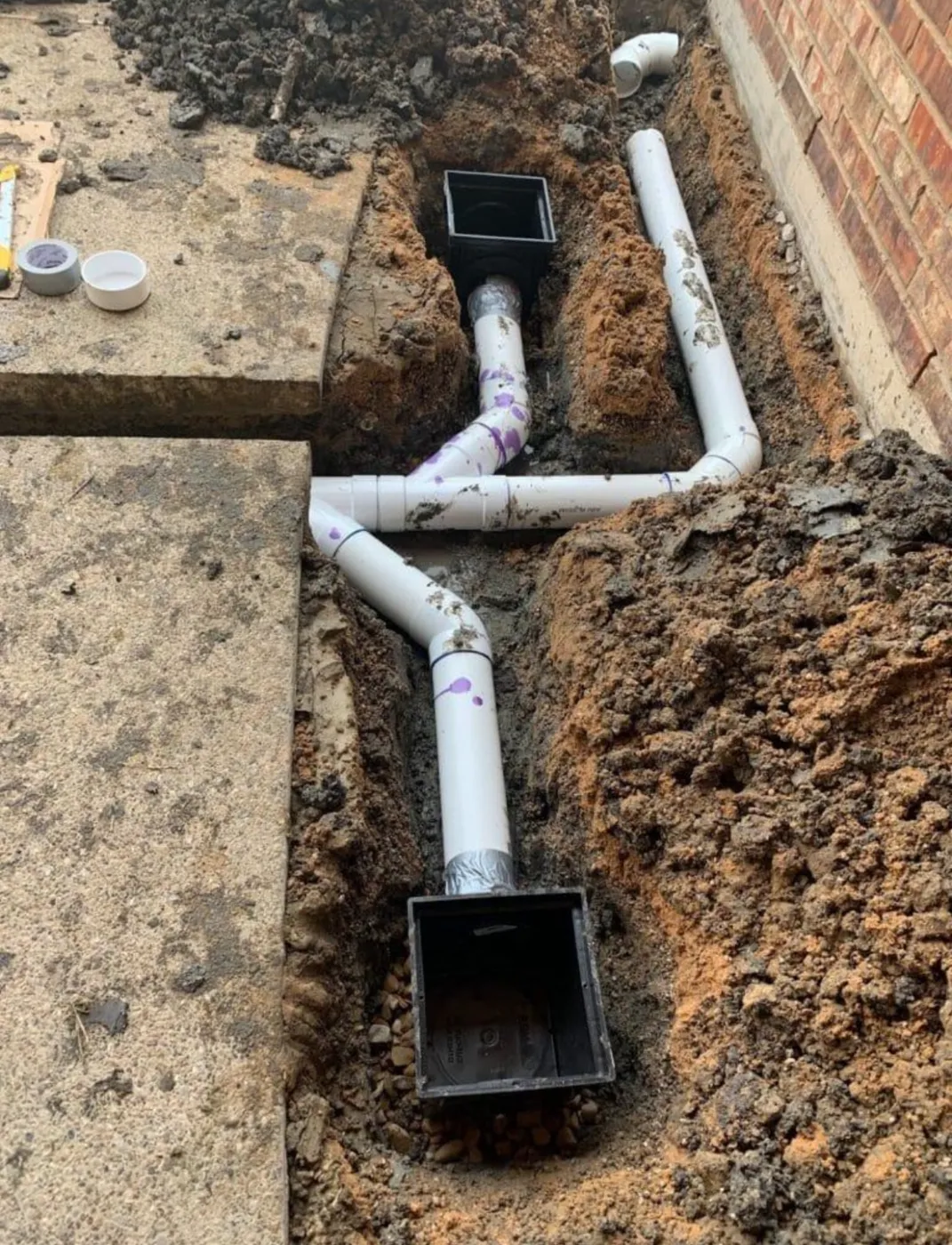
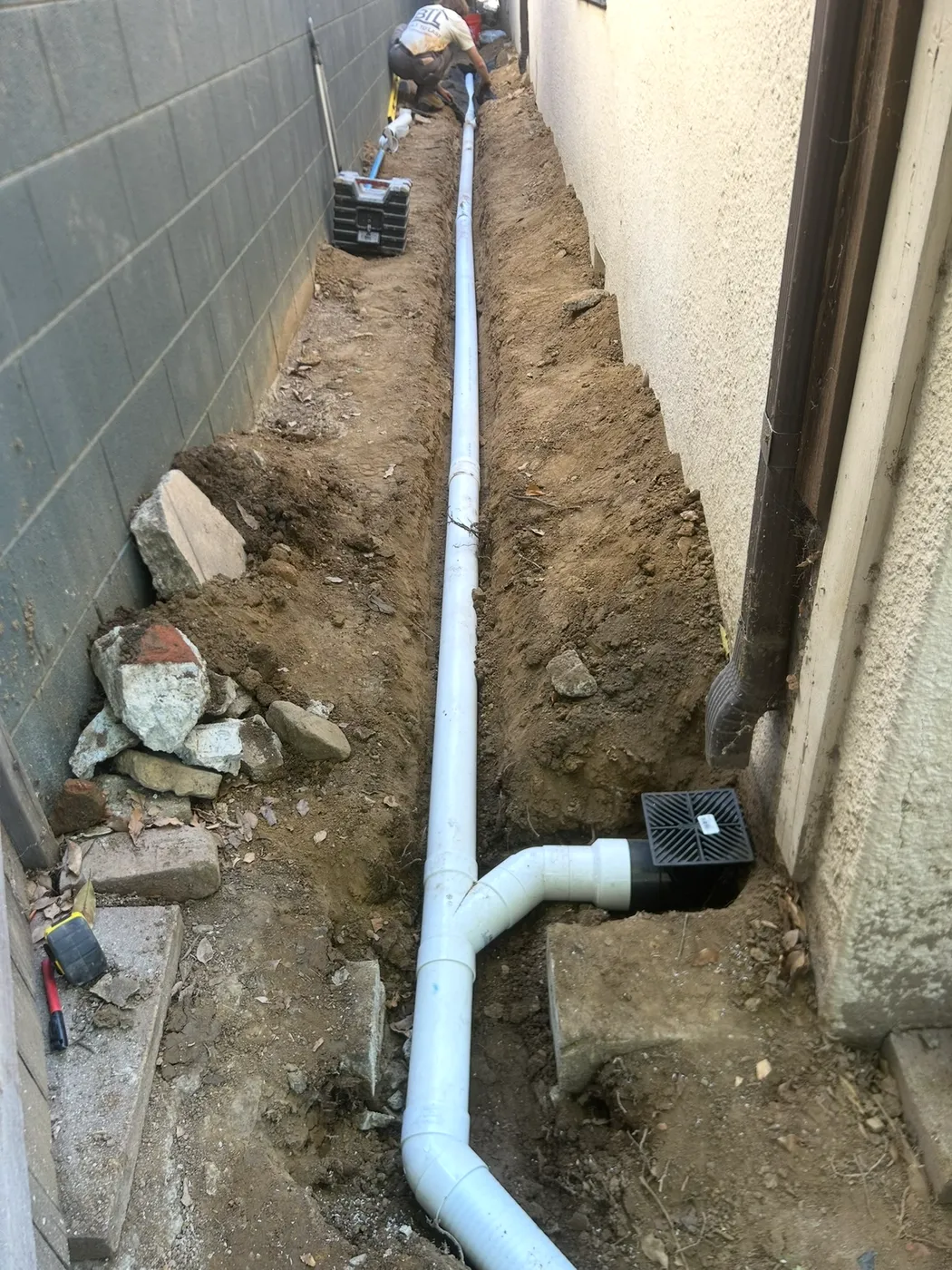
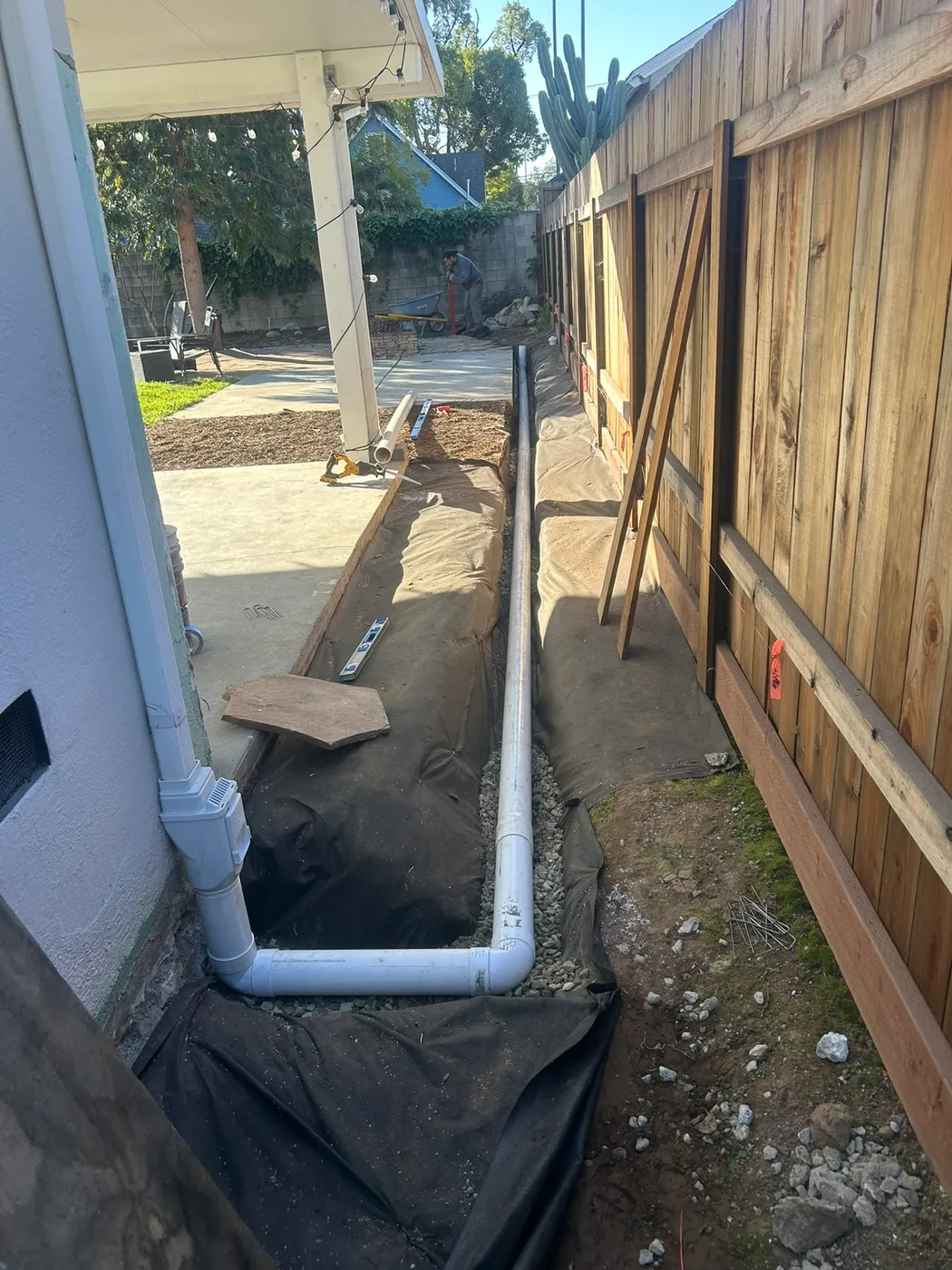
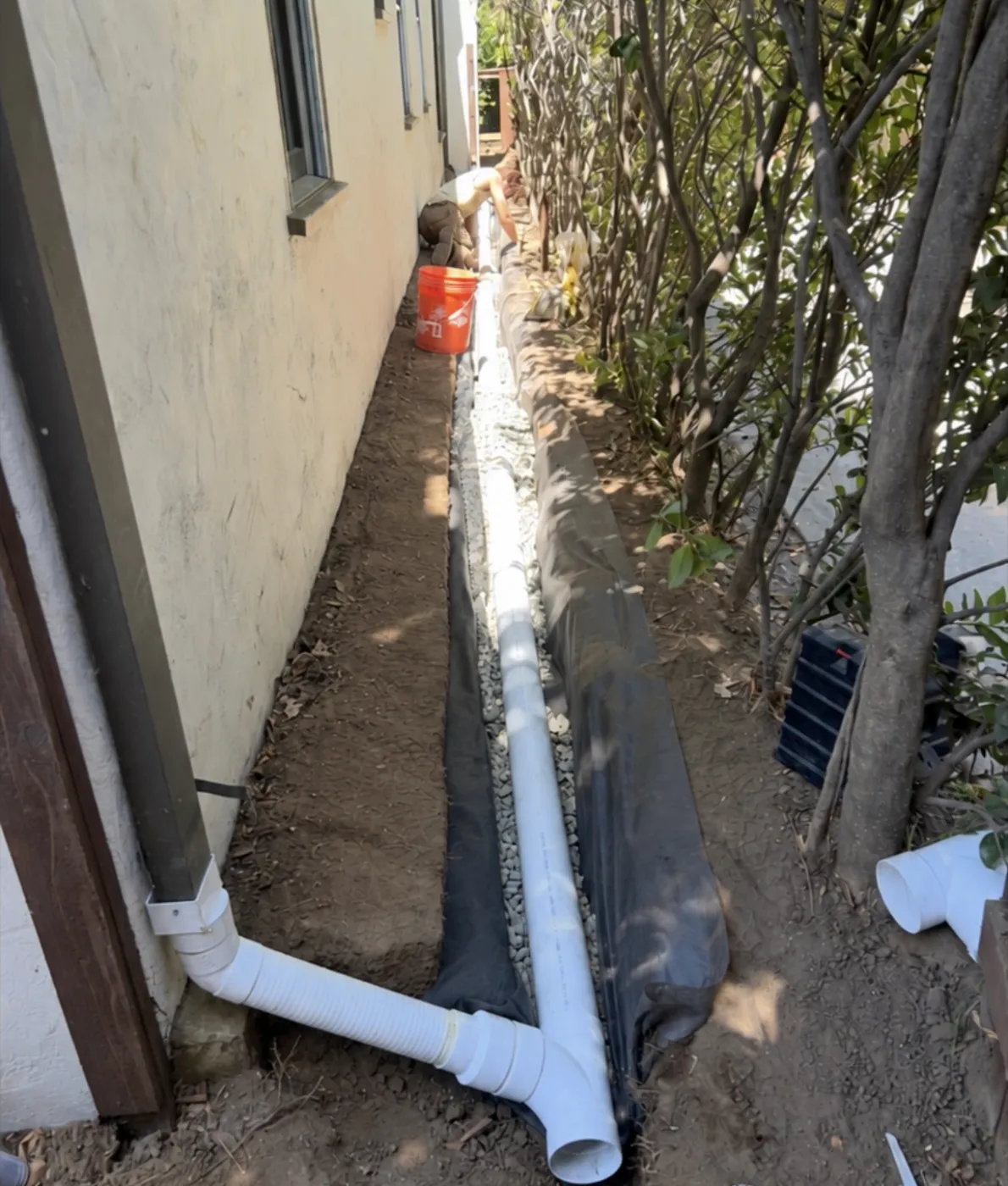
See the transformation
 Before
 After
Water goes where you tell it, or where it wants
Altadena sits at the base of the San Gabriel Mountains. Hillside runoff, heavy clay soil, and winter storms mean water collects in side yards, pools against foundations, and undermines patios and retaining walls. A drainage system gives that water a path out. Ryan designs the route, digs the trench, sets the pipe, and backfills it himself — no crew, no subcontractors.
Drainage solutions we install
French drains
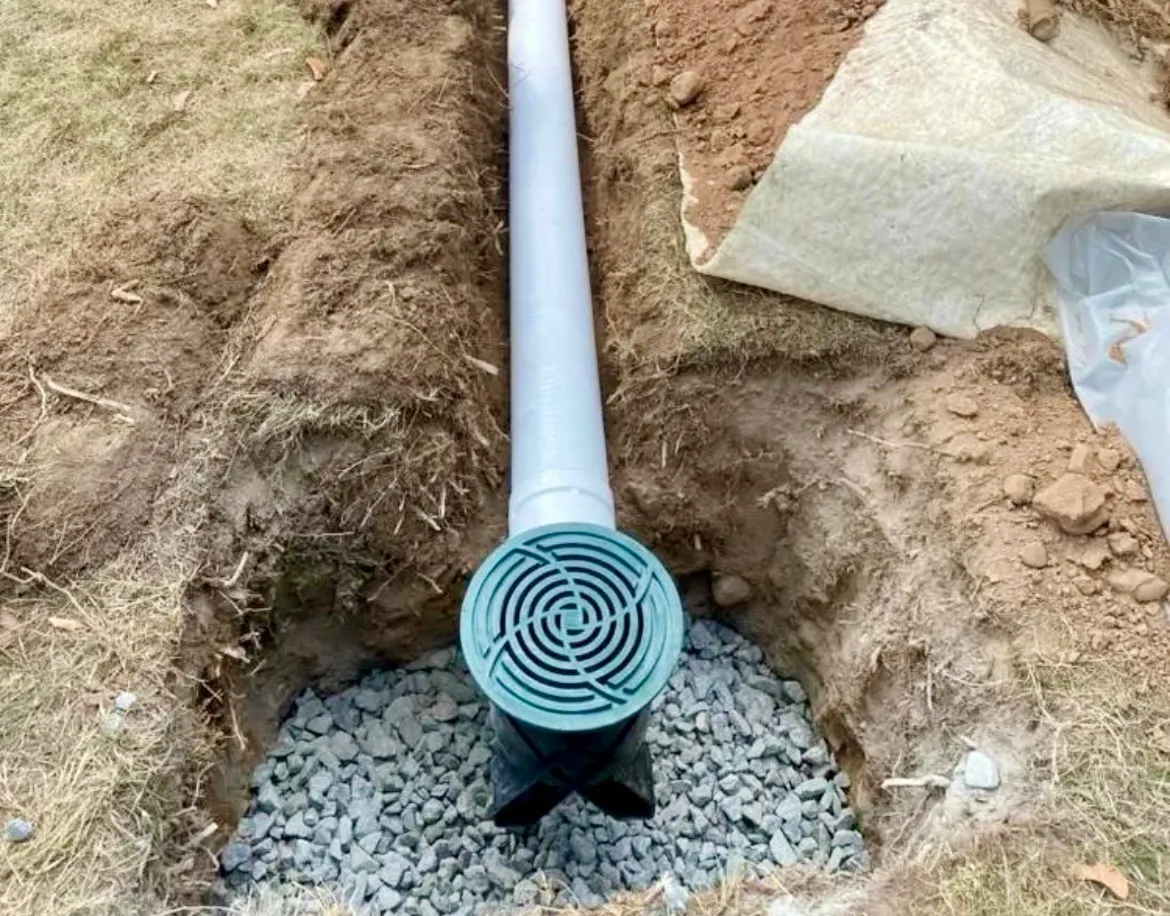
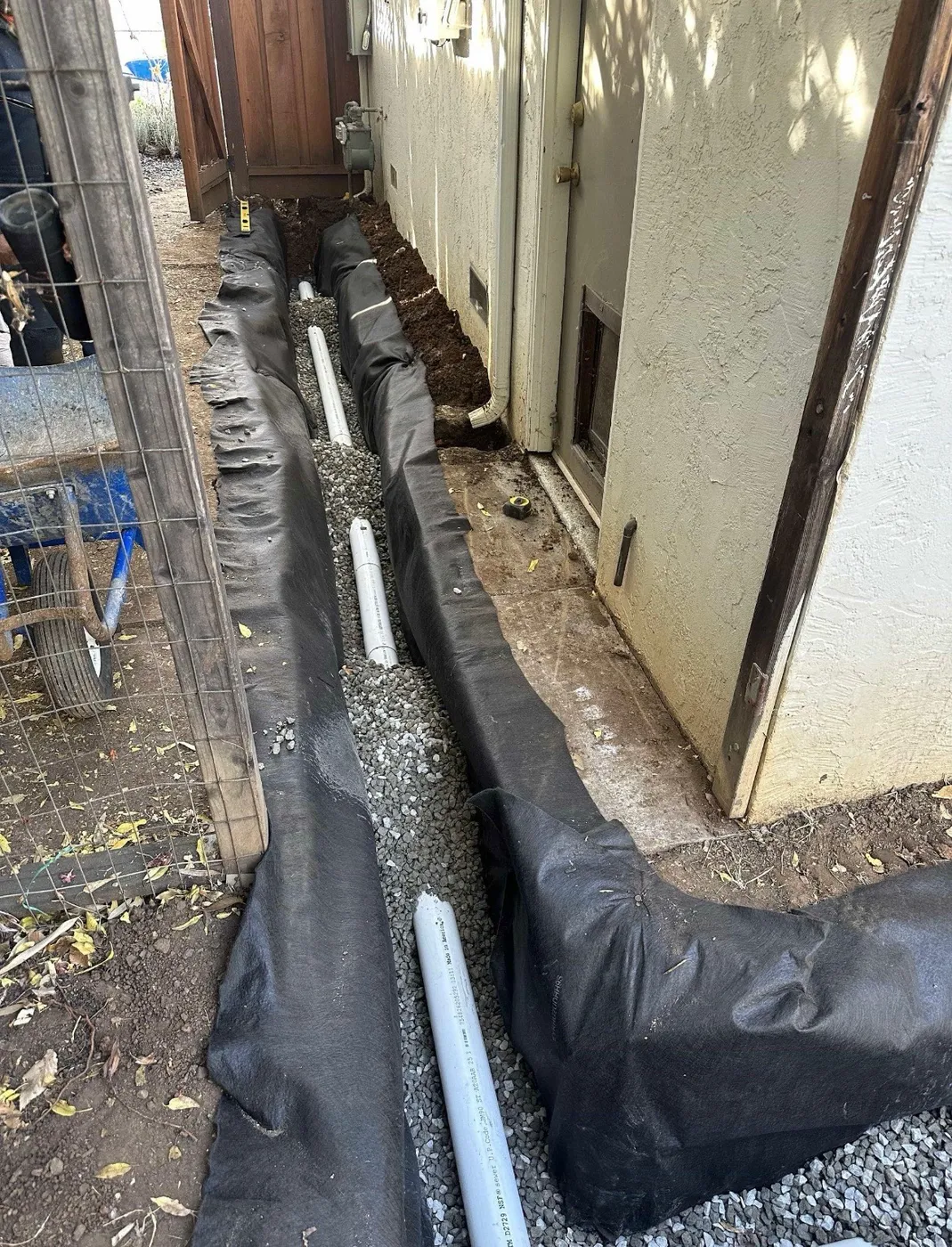
A trench lined with filter fabric, filled with clean gravel, with a perforated pipe at the bottom that collects groundwater along its whole run. The go-to fix for soggy side yards, lawns that stay wet for days, and the back side of retaining walls. Ryan sizes the gravel bed and pipe slope to the amount of water the property actually sees.
NDS drains and catch basins
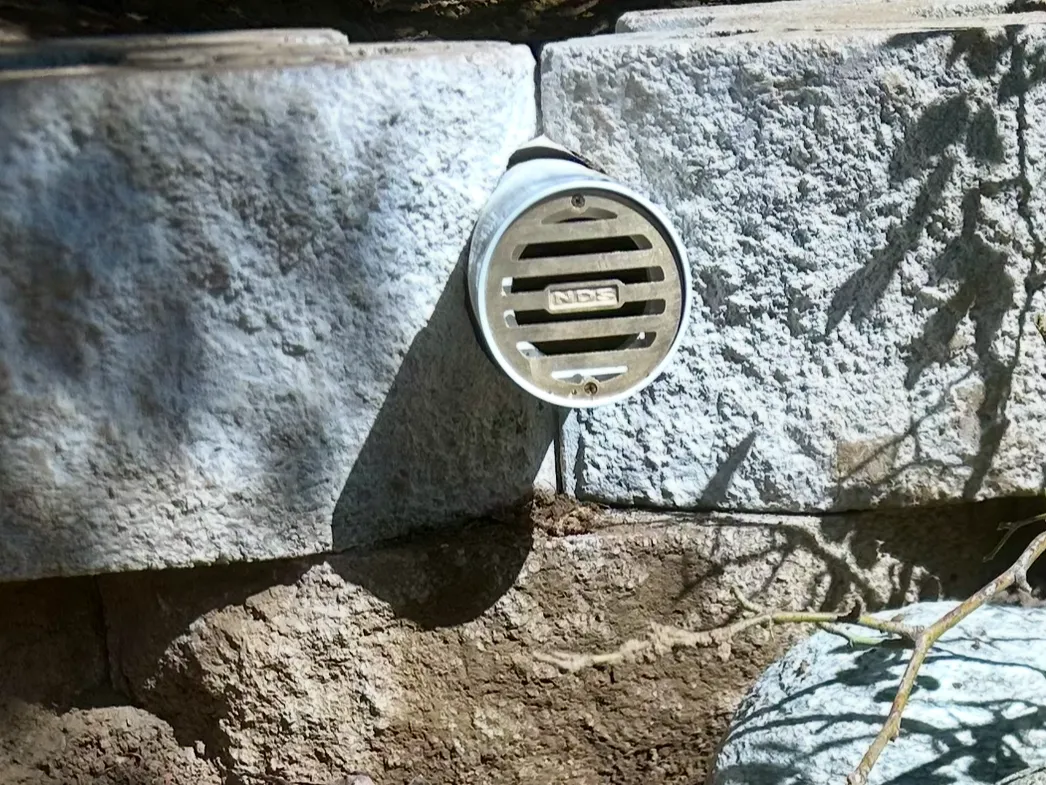
Round or square NDS catch basins set at the low points of a yard, patio edge, or planter bed, with solid PVC pipe carrying the water to a discharge point. Downspouts tie into the same line so roof water never hits the ground near the foundation. Grates sit flush with the finished surface so they disappear into the landscape.
Channel drains
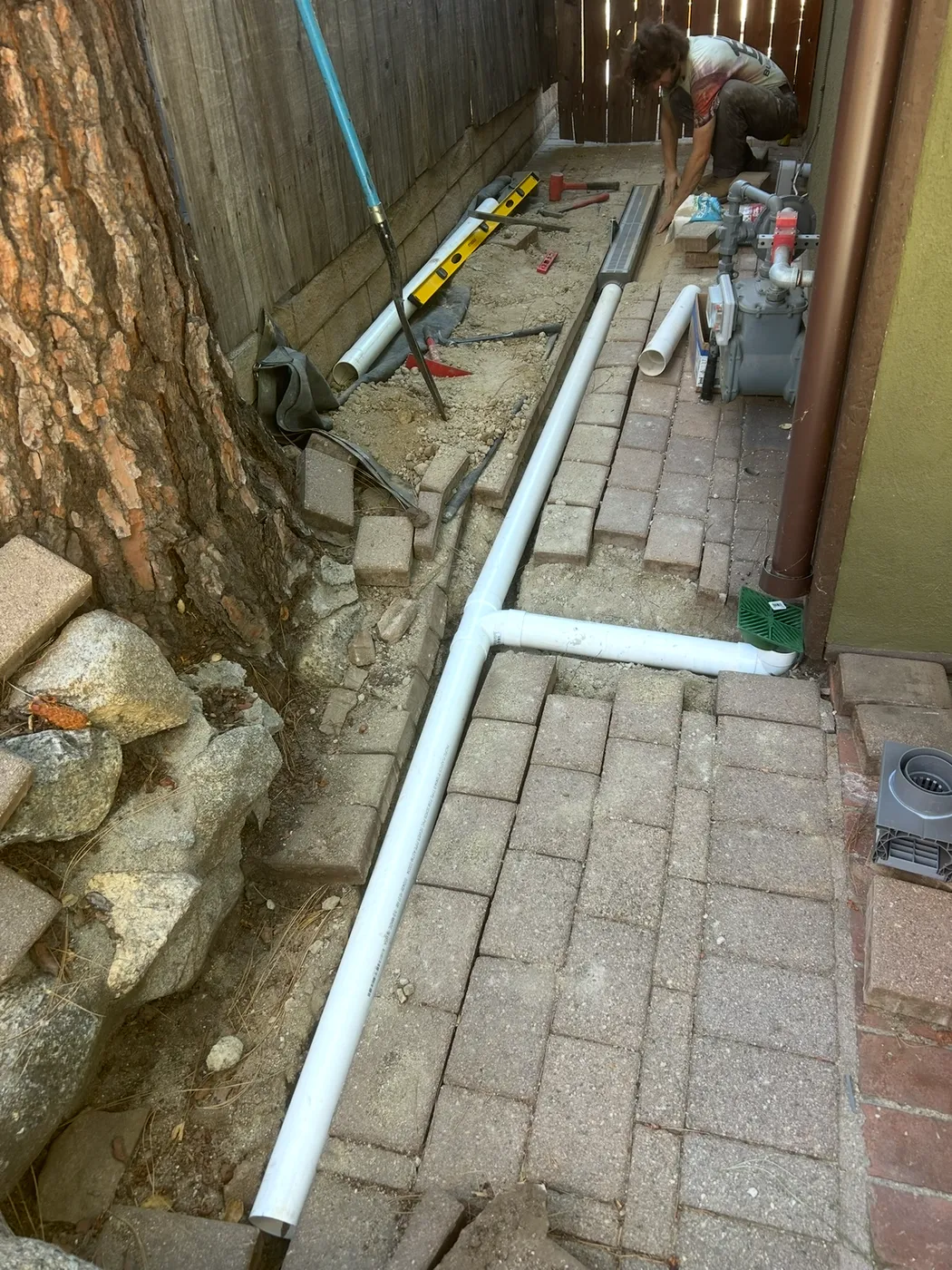
A linear trench drain with a grate on top, set flush in concrete, pavers, or decomposed granite. Channel drains catch sheet water running across driveways, pool decks, patios, and garage thresholds before it reaches the house. Ryan installs them in new hardscape and retrofits them into existing slabs.
Drain basins and discharge
Every system ends somewhere. Depending on the lot, that is a pop-up emitter at the curb or a low corner, a dry well, or an approved storm-drain tie-in. Ryan walks the property to find the right discharge point before any digging starts, so the water you move does not become your neighbor’s problem.
Why drainage comes first
Most of the problems Ryan is called to fix — cracked patios, leaning retaining walls, dead plantings, efflorescence on stucco — trace back to water that had nowhere to go. That is why drainage is built into every retaining wall, patio, and landscape installation he does. When the only problem is the water itself, a stand-alone drainage system is usually a one-to-three-day job that protects everything around it.
Built for the San Gabriel Valley
Clay soil that holds water, slopes that funnel runoff, and a rainy season that arrives all at once. Ryan has installed drainage across Altadena, Pasadena, La Cañada Flintridge, and Sierra Madre and knows how water behaves on these foothill lots. He uses NDS components so parts stay available, slopes every pipe to drain fully, and cleans the site before he leaves.
Ready to discuss your project?
Free estimates. No pressure. Just honest advice from Ryan.
How it works
Call Ryan and describe where the water collects
On-site walk during or after a rain if possible, to see the actual flow
Written plan showing drain type, route, and discharge point
Install — Ryan on-site daily from trenching to backfill and cleanup
Common questions
What is the difference between a French drain and a channel drain?
What is an NDS drain?
Where does the water go once it is collected?
Can you fix water pooling against my foundation?
Do I need a permit for drainage work in LA County?
When is the best time to install drainage?
You might also need


Serving Altadena & the San Gabriel Valley
Ready to talk about your backyard?
Whether it's a fence, a full renovation, or a drainage fix — it starts with a conversation.